
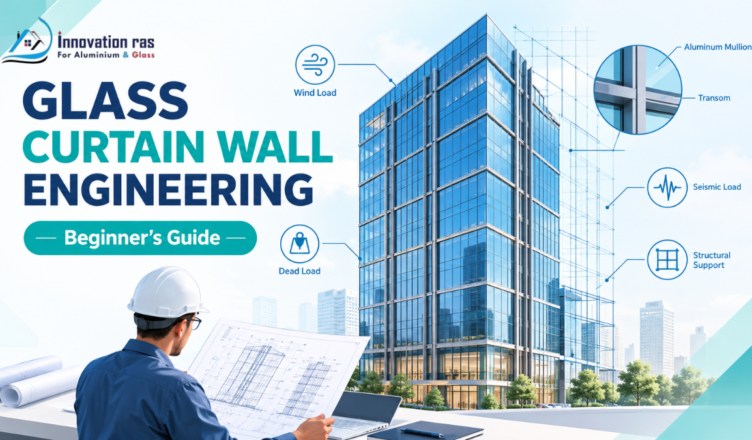
Glass curtain wall engineering shapes the modern skyline. You see it in office towers, hotels, and sleek retail buildings. But what does it actually mean?
This guide breaks down glass curtain wall engineering in plain language. No jargon. No confusing technical manuals. Just clear answers for beginners.
Whether you’re a small business owner planning a new storefront or simply curious, this article is for you. Let’s dive in.
What Is Glass Curtain Wall Engineering?
Glass curtain wall engineering is the design and construction of non-structural glass exterior walls. These walls “hang” off the building’s frame, like a curtain.
Unlike traditional walls, they don’t carry the building’s weight. Instead, they hold themselves up and resist wind, water, and temperature changes.
Therefore, glass curtain wall engineering requires precise calculations. Engineers must balance beauty with safety, energy efficiency, and durability.
This field sits at the intersection of architecture and structural science. It’s not just about looks. It’s about performance under real-world stress.
A Brief History of Glass Curtain Wall Engineering
Glass curtain walls aren’t a new idea. They date back to the early 20th century.
However, modern glass curtain wall engineering really took off after World War II. Skyscrapers like the United Nations Secretariat Building popularized the glass facade look.
Since then, technology has advanced dramatically. Today’s systems are stronger, safer, and far more energy-efficient than early versions.
As a result, architects now design buildings that were once impossible to construct. Glass curtain wall engineering made that leap possible.
Why Glass Curtain Wall Engineering Matters
You might wonder why this niche field is so important. The answer is simple: buildings today demand light, style, and performance.
For example, natural light boosts productivity and mood. Glass walls deliver that light without sacrificing structural integrity.
However, poor design can lead to leaks, energy loss, or even safety hazards. That’s why skilled glass curtain wall engineering is essential.
Key reasons it matters:
- Aesthetics: Creates a modern, sleek building appearance
- Natural light: Reduces reliance on artificial lighting
- Energy efficiency: Advanced glazing reduces heating and cooling costs
- Weather resistance: Protects against wind, rain, and seismic activity
- Brand image: Glass facades often signal innovation and quality
Key Components of a Glass Curtain Wall System
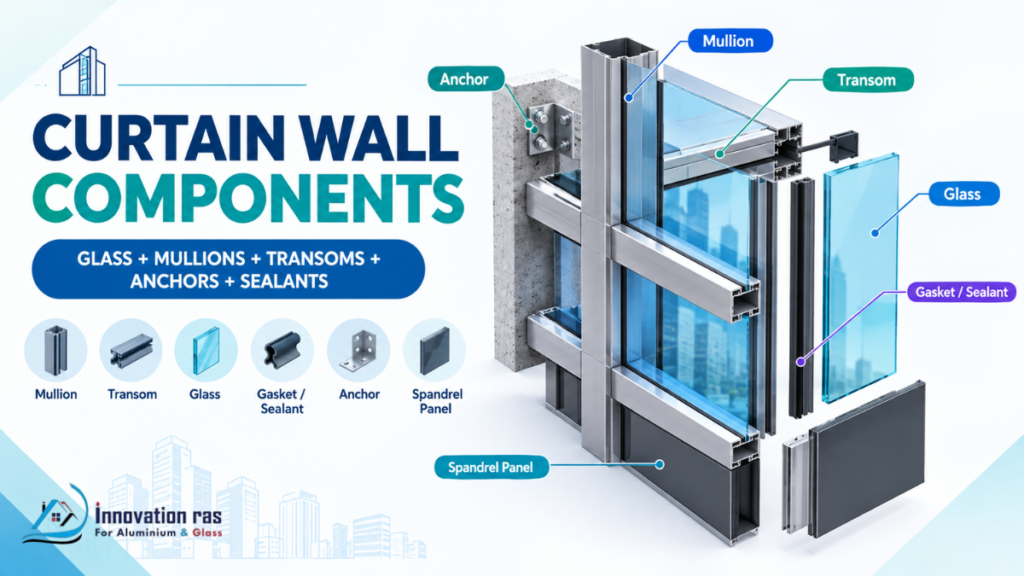
Understanding the parts makes glass curtain wall engineering easier to grasp. Each component plays a specific role.
The main components include:
- Mullions: Vertical or horizontal frames that support the glass panels
- Transoms: Horizontal supports connecting mullions
- Glazing: The glass panels themselves, often insulated or laminated
- Gaskets and sealants: Prevent water and air infiltration
- Anchors: Connect the curtain wall system to the building structure
- Spandrel panels: Opaque sections hiding floor slabs and mechanical systems
Each piece must work together. Therefore, engineers test these systems extensively before installation.
Without proper coordination, even small gaps can cause big problems. A single failed gasket can lead to major water damage.
Types of Glass Curtain Wall Systems
Not all glass curtain wall engineering projects use the same system. Different buildings need different approaches.
Common types include:
- Stick-built systems: Assembled piece by piece on-site. Cost-effective but slower to install.
- Unitized systems: Pre-assembled off-site in large panels. Faster installation, higher upfront cost.
- Semi-unitized systems: A hybrid approach combining both methods.
- Structural glazing systems: Glass is bonded directly to the frame using silicone, creating a seamless look.
For small business owners, stick-built systems are often more budget-friendly. However, unitized systems save time on larger commercial projects.
Each system has trade-offs. Therefore, the right choice depends on your budget, timeline, and building size.
The Glass Curtain Wall Engineering Process, Step by Step
Many people assume glass walls are simple to install. In reality, glass curtain wall engineering follows a detailed process.
1. Initial Design and Feasibility
Engineers first assess the building’s structure. They determine how much load the frame can support.
2. Load Calculations
Next, engineers calculate wind, seismic, and gravity loads. These numbers guide material selection.
3. Material Selection
Glass type, framing material, and sealant choices come next. Each decision affects cost and performance.
4. Prototype Testing
Before full production, manufacturers build test panels. These undergo water, air, and structural testing.
5. Fabrication
Once approved, the panels are manufactured. Precision matters here, since even small errors cause leaks later.
6. Installation
Skilled crews install the panels, section by section. Safety protocols are strict during this phase.
7. Final Inspection
Finally, engineers inspect the completed system. They check for gaps, misalignment, or sealant issues.
This process ensures the finished glass curtain wall performs as designed. Skipping steps often leads to costly repairs later.
Design Considerations in Glass Curtain Wall Engineering
Good design goes beyond appearance. Glass curtain wall engineering must account for multiple technical factors.
Wind Load
Buildings face constant wind pressure. Engineers calculate wind loads to ensure the glass and frames won’t fail.
Thermal Performance
Glass transfers heat easily. Therefore, engineers use insulated glazing units to improve energy efficiency.
Water Infiltration
Rain and moisture are constant threats. Proper sealants and drainage systems prevent leaks.
Seismic Movement
In earthquake-prone areas, curtain walls must flex without shattering. This requires specialized anchor designs.
Fire Safety
Fire-rated glazing and spandrel panels help prevent flames from spreading between floors.
Acoustic Performance
Noise reduction also matters, especially in busy urban areas. Laminated glass helps dampen outside sound.
Materials Used in Glass Curtain Wall Engineering
Material choice heavily influences performance. Not all glass and framing options are equal.
Common glass types include:
- Tempered glass: Stronger and safer; shatters into small pieces if broken
- Laminated glass: Two glass layers bonded with a plastic interlayer for added safety
- Insulated glass units (IGUs): Multiple panes with air gaps for better insulation
- Low-E glass: Coated to reflect heat while allowing light through
Common framing materials include:
- Aluminum: Lightweight, durable, and corrosion-resistant
- Steel: Stronger but heavier, often used in high-rise applications
- Composite materials: Combine strength with better thermal performance
Choosing the right combination is crucial. Therefore, engineers often run simulations before finalizing material selections.
Benefits of Investing in Proper Glass Curtain Wall Engineering
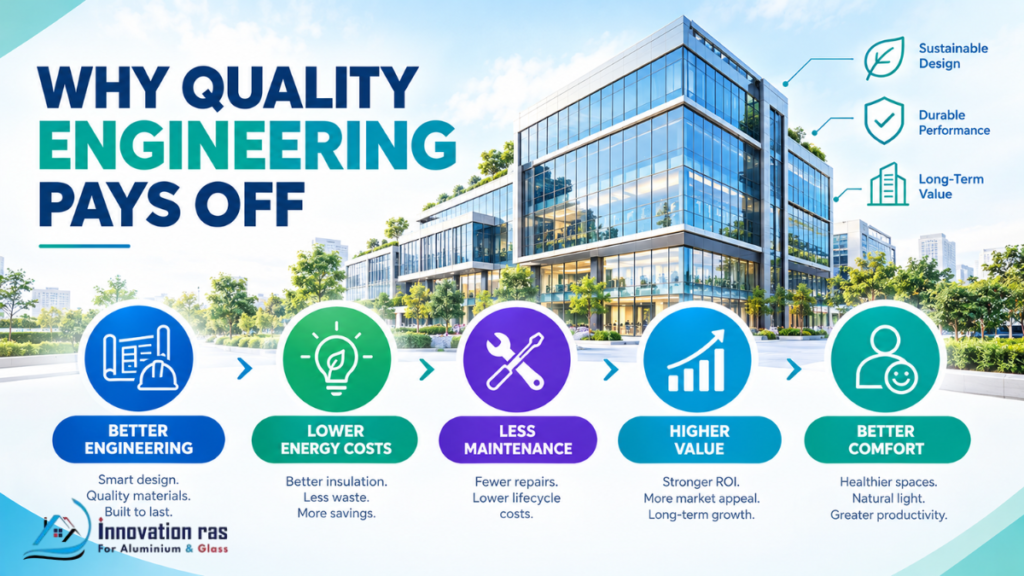
Cutting corners on glass curtain wall engineering can be costly. Investing properly pays off long-term.
Here’s why it’s worth it:
- Reduces energy bills through better insulation
- Increases property value and curb appeal
- Minimizes maintenance and repair costs
- Improves occupant comfort and satisfaction
- Meets modern building codes and sustainability standards
For example, LEED-certified buildings often rely on advanced glazing systems. This boosts a business’s environmental credentials too.
Common Challenges in Glass Curtain Wall Engineering
Every field has obstacles. Glass curtain wall engineering is no exception.
Frequent challenges include:
- High upfront costs: Quality materials and skilled labor aren’t cheap
- Complex installation: Requires specialized contractors and precise measurements
- Weather delays: Installation often depends on favorable conditions
- Building code compliance: Regulations vary by region and can be strict
- Long-term maintenance: Seals and gaskets degrade over time
However, working with experienced engineers minimizes these risks significantly.
Cost Factors in Glass Curtain Wall Engineering
Budgeting is a top concern for small business owners. Understanding cost drivers helps you plan better.
Major cost factors include:
- Glass type: Tempered, laminated, or low-E glass all vary in price
- System type: Unitized systems cost more upfront than stick-built ones
- Building height: Taller buildings require more complex engineering
- Labor costs: Skilled installers charge premium rates
- Location: Local codes and climate affect material requirements
On average, glass curtain wall systems cost between $30 and $80 per square foot. However, high-end structural glazing can exceed $100 per square foot.
Maintenance Tips for Glass Curtain Wall Systems
Proper maintenance extends the lifespan of any glass curtain wall. Neglect leads to costly problems down the road.
Follow these simple maintenance tips:
- Inspect sealants and gaskets annually
- Clean glass regularly to prevent buildup and staining
- Check for water stains near frames after heavy rain
- Schedule professional inspections every few years
- Repair small cracks immediately before they spread
For example, a small sealant gap left untreated can eventually cause major leaks. Therefore, routine checks save money over time.
How to Choose the Right Glass Curtain Wall Engineering Team
Selecting the right professionals matters just as much as the design. A poor installation undermines even the best plans.
Look for these qualities:
- Proven experience with similar building types
- Strong knowledge of local building codes
- Positive client reviews and completed project portfolios
- Clear communication and transparent pricing
- Proper licensing and insurance coverage
Therefore, always request references before signing a contract. A reputable glass curtain wall engineering firm will gladly provide them.
Future Trends in Glass Curtain Wall Engineering

The field continues evolving rapidly. New technologies are reshaping how buildings look and perform.
Emerging trends include:
- Smart glass: Electrochromic glass that adjusts tint automatically
- Solar-integrated glazing: Panels that generate electricity
- Sustainable materials: Recycled aluminum framing and eco-friendly sealants
- AI-driven design tools: Software that optimizes wind and thermal performance
- Modular construction: Faster, more efficient unitized installations
As a result, glass curtain wall engineering is becoming smarter, greener, and more efficient every year.
Conclusion
Glass curtain wall engineering combines art, science, and precision. It transforms ordinary buildings into modern architectural statements.
For small business owners and beginners, understanding the basics helps you make smarter decisions. From material selection to hiring the right team, every choice matters.
Therefore, always prioritize quality and expertise when investing in glass curtain wall engineering. The right approach delivers lasting beauty, safety, and value.
Frequently Asked Questions
1. What is the main purpose of glass curtain wall engineering?
It creates lightweight, non-structural exterior walls that provide natural light, weather protection, and aesthetic appeal without bearing building weight.
2. How long does a glass curtain wall system last?
With proper maintenance, most systems last 25 to 35 years before major repairs or replacement are needed.
3. Is glass curtain wall engineering expensive?
Costs vary widely, typically ranging from $30 to $100+ per square foot. However, energy savings often offset the initial investment over time.
4. Can small businesses use curtain wall systems?
Yes. Many small commercial buildings and storefronts use scaled-down curtain wall systems for a modern look.
5. What’s the difference between curtain walls and window walls?
Curtain walls span multiple floors and attach to the building’s structural frame. Window walls are typically installed within a single floor’s edge.
6. Do curtain walls affect energy efficiency?
Yes, significantly. High-performance glazing reduces heat transfer, lowering heating and cooling costs.
7. Who should I hire for a glass curtain wall project?
Always hire a licensed engineering firm with proven experience. Avoid unqualified contractors for safety-critical work.
One thought on “Glass Curtain Wall Engineering: Proven Benefits”